Lanterns, Low-End Bass, and the Group Chat: Loy Krathong Is Becoming Thailand's Festival Season
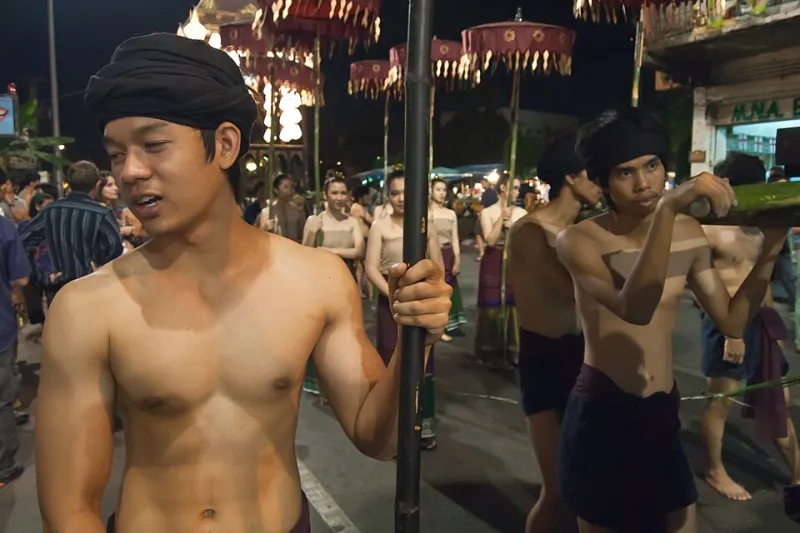
Photo: Vyacheslav Argenberg, CC BY 4.0, via Wikimedia Commons
Loy Krathong has never needed a hype man. For generations, the holiday has arrived with a full moon, a floating banana-trunk krathong, and a quiet wish sent down a river. But in 2026, the mood is different. The holiday lands on Nov. 24, and US Gen Z travelers are already treating it less like a single night and more like a season, one built around lantern-lit waterways, night markets, indie shows, and the kind of group-chat planning that usually precedes a music festival.
That shift is the story. Loy Krathong is becoming Thailand's unofficial festival season, not because anyone decided to sell tickets, but because a generation of Thai creators, musicians, and small businesses has turned the ritual into a social-first cultural moment. The question for American fans is simple: can you show up for the vibe without turning the vibe into a backdrop?
It Started as a Quiet Ritual. Now It Has a Group Chat.
The heart of Loy Krathong is gratitude and release. People float krathong, small vessels made from banana trunk, coconut, flowers, incense, and candles, to thank the water goddess and let go of bad luck. In some places, sky lanterns are part of the visual language, though rules vary widely. The holiday is not inherently a party. It is a family ritual, a temple visit, a riverside moment.
What changed is the distribution. A single TikTok of a candle drifting under a Bangkok bridge can now outperform a tourism board campaign. Thai creators film the making of krathong, the food stalls, the post-ceremony noodle stop. Travel creators stitch their itineraries. The algorithm reads the light and the water and the soft-focus nostalgia, and it sends the whole thing straight to a 19-year-old in Ohio who has never been on a plane.
The Music Is the New Itinerary
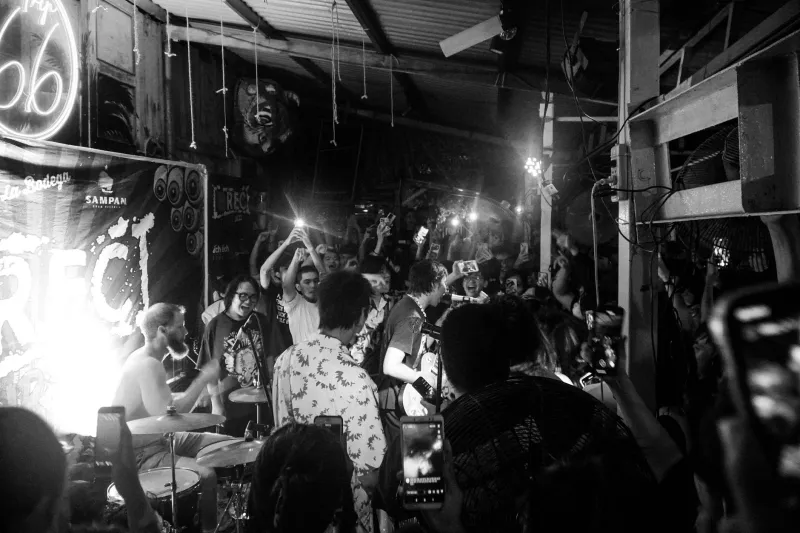
Here is where the festival-season comparison gets real. Around Loy Krathong, Thailand's live-music calendar fills up. Riverside venues in Bangkok, nimman-area cafes in Chiang Mai, and pop-up stages in Khon Kaen and Ayutthaya book indie pop, molam-electronic hybrids, and acoustic sets that feel built for the holiday's soft-focus mood.
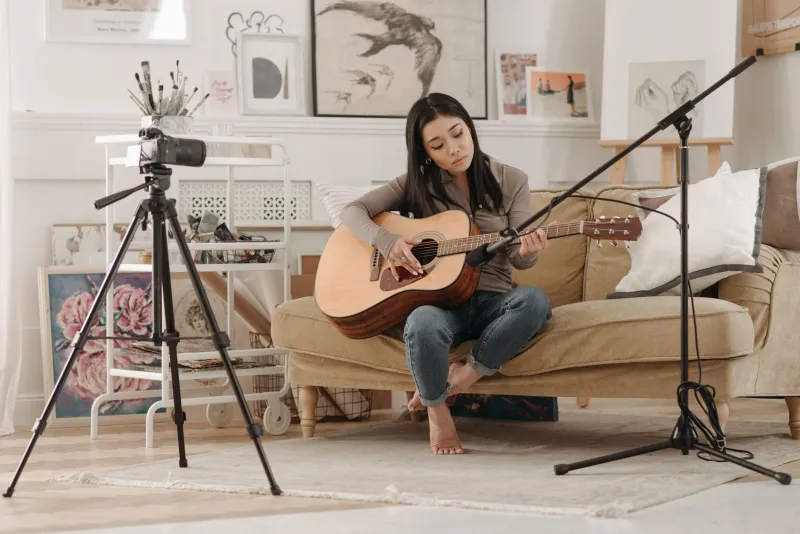
Artists like Phum Viphurit, MILLI, Pyra, Three Man Down, Bowkylion, and flower.far are already on US playlists, and their Thai fan base treats a holiday-week show like a homecoming. Smaller creators shape the experience too: food vloggers map the night-market stalls, thrifters post what to wear to a temple-adjacent event, and acoustic covers of Thai pop songs soundtrack the walk to the river. The result is not one official lineup. It is a decentralized season, stitched together by posts.
What US Travelers Need to Know Before They Book
First, pick your city for the right reason. Bangkok gives you scale, riverboats, and late-night food. Chiang Mai gives you lantern energy and mountain air. Sukhothai and Ayutthaya offer the postcard version, with historical parks and quieter waterways. Khon Kaen and other Isan cities offer a less tourist-heavy, music-forward experience. Book accommodation early, because the good riverside spots go first, and plan to move slowly. Traffic around prime spots is not a rumor.
Second, respect the ritual. Use krathong made from natural materials, not foam. Do not release sky lanterns where they are banned or where they could disrupt flights, farms, or fire safety. Dress modestly at temples. Ask before photographing monks, elders, or kids. Learn a few Thai phrases, and do not treat the holiday as costume. If you are filming, keep the camera low and the ego lower.
Third, spend locally. Buy from the auntie selling krathong by the bridge. Eat at the stall with the handwritten menu. Tip musicians. The festival season exists because Thai people built it, not because a brand flew in a DJ.
The Vibe Check
Loy Krathong in 2026 is a rare thing: a cultural moment that is going global without being flattened into a single event. It is a holiday, a music season, a food crawl, and a photo opportunity, depending on who you ask. The best way to join is to remember which one came first. Go for the light. Stay for the lesson in letting go. And leave the river cleaner than you found it.